Renovation Project Timeline: A 2026 Guide

Table of Contents
How Long Does a Home Renovation Take
Typical Duration by Project Type
Scope and Complexity Impact
Renovation Project Milestones and Phases
Pre-Construction Planning and Design
Permits, Approvals, and Inspections
Construction and Trade Coordination
Final Inspections and Project Completion
Factors Affecting Renovation Timelines
Material Lead Times and Backorders
Weather Delays and Unforeseen Conditions
Contractor Availability and Subcontractor Coordination
Creating a Renovation Schedule Template
Sample End-to-End Schedule with Dependencies
Building in Contingency Time and Schedule Buffer
Managing Progress and Handling Delays
Tracking Milestones and Communication
Change Orders and Schedule Adjustments
Delay Response and Recovery Planning
Living in Your Home During Renovation
Contractor Selection and Project Management
Frequently Asked Questions
Last Updated: October 21, 2026
How Long Does a Home Renovation Take
The duration of a renovation project timeline depends on scope, complexity, and external factors, but most homeowners underestimate how long it actually takes. A kitchen renovation might run 6-12 weeks, while a basement finish could stretch 12-20 weeks or longer.
At MGH Renovations, we've guided homeowners through projects ranging from simple updates to complete interior transformations. The biggest mistake we see is clients assuming a contractor's initial estimate is carved in stone. It rarely is.
Typical Duration by Project Type
Different project types have different baseline durations. A bathroom renovation typically takes 4-8 weeks for a standard remodel.
Full-home renovations are a different animal entirely. If you're remodeling multiple rooms or doing a complete interior overhaul, expect 4-6 months minimum, often longer.
The reason these timelines vary so much is scope. A kitchen cabinet refresh takes weeks. A kitchen with new plumbing, electrical, cabinetry, countertops, and flooring takes months.
Scope and Complexity Impact
Scope defines the work. Complexity determines how long it takes. A straightforward kitchen renovation with standard finishes moves faster than one requiring custom cabinetry, structural changes, or specialized electrical work.
Structural issues multiply timelines significantly. If your basement has foundation cracks or your kitchen sits above outdated wiring, those problems must be addressed before you can proceed with finishing work.
Material choices also affect duration. Stock finishes are available now.
Renovation Project Milestones and Phases
A renovation project timeline progresses through distinct phases. Understanding these phases and their dependencies helps you track progress and anticipate what comes next.

Pre-Construction Planning and Design
Before any work starts, you need a plan. The planning and budgeting phase typically takes 2-6 weeks, depending on project complexity. This is where you finalize your design, select materials, confirm the project scope, and lock in pricing.
During design, you and your contractor should agree on every detail: finishes, colors, fixtures, layout changes, and electrical requirements. At MGH Renovations, we walk clients through material selection and help them understand how choices affect both timeline and cost.
Permits, Approvals, and Inspections
Permits aren't optional, they're mandatory for most renovation work. Permit approval timelines vary by municipality but typically range from 1-4 weeks. Some municipalities process faster than others. Once work starts, inspections happen at specific milestones: framing, electrical rough-in, plumbing rough-in, and final inspection.
Inspections aren't delays, they're checkpoints. A failed inspection means something isn't code-compliant and needs fixing. That's better discovered mid-project than after completion. Budget inspection time into your overall renovation project timeline.
Construction and Trade Coordination
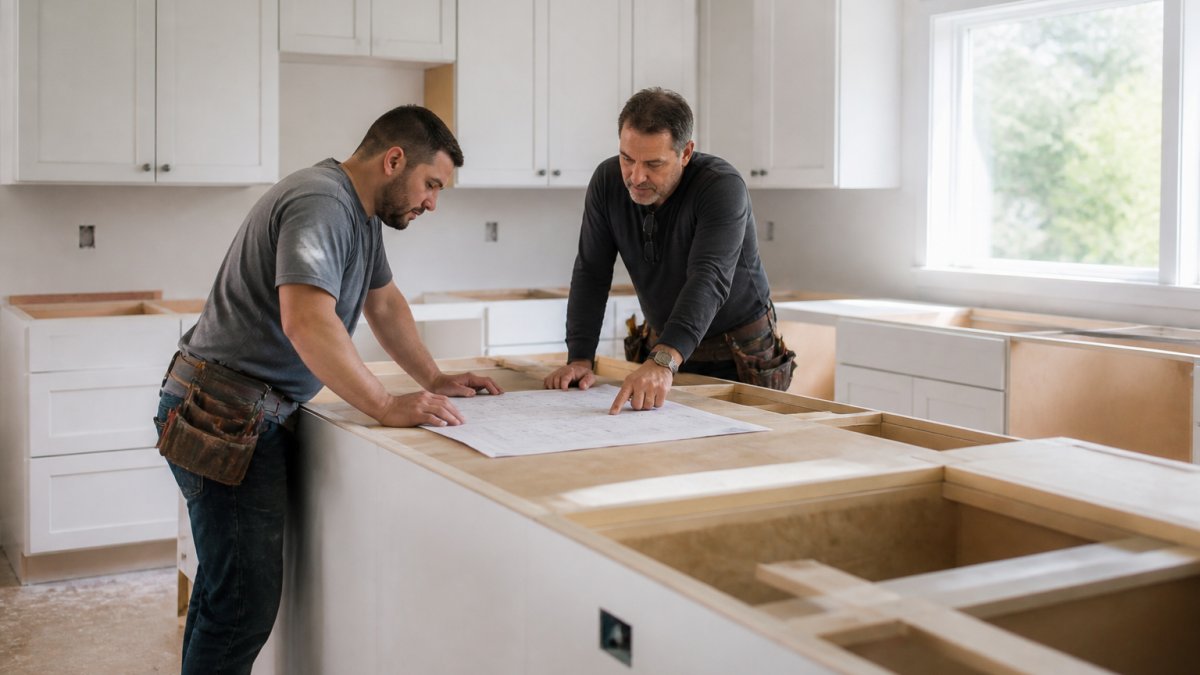
Construction is where the actual work happens, and it's the longest phase for most projects. This is where subcontractors, electricians, plumbers, framers, drywall installers, painters, work in sequence. The order matters.
Coordinating multiple trades is complex. If your electrician finishes early but your plumber is delayed, the electrician sits idle. If your framing contractor runs behind, everyone downstream is pushed back. This is why contractor selection and project management matter.
Final Inspections and Project Completion
Once construction wraps, the final inspection happens. If everything passes, you're done. If issues are found, corrections take additional time. Final inspections typically take 1-2 weeks from request to completion, depending on your municipality's schedule.
Factors Affecting Renovation Timelines
Several factors are outside your control but directly impact how long your renovation takes. Understanding these helps you plan realistically.
Cabinet Creations
Material Lead Times and Backorders
Material lead times are one of the biggest timeline drivers. Stock materials ship in days. Semi-custom items take 4-8 weeks. Custom cabinetry, specialty fixtures, or imported materials can take 8-16 weeks or longer.
The solution is ordering early and confirming availability before work begins. A good contractor builds material procurement into the project schedule. They don't start framing if custom cabinetry won't arrive for 12 weeks. That's poor planning.
Weather Delays and Unforeseen Conditions
Weather affects renovation timelines, especially if your project involves exterior work or foundation access. Heavy rain can delay concrete work. Cold temperatures affect paint and caulking.
Unforeseen conditions are the real wildcard. You discover outdated wiring behind walls. You find mold in a basement. You hit a plumbing line where you didn't expect one. These discoveries stop work until they're addressed. They're not contractor excuses, they're reality. Budget contingency time for the unexpected.
Contractor Availability and Subcontractor Coordination
Contractor availability affects timelines. If your contractor is juggling multiple projects, your project might pause while they handle urgent issues elsewhere. Subcontractor availability is equally important. If your electrician is booked solid, you wait for their availability.
This is why contractor selection matters. A contractor with a reliable network of subcontractors and good scheduling discipline will keep your project moving. One who oversells themselves or has poor relationships with trades will create delays.
Creating a Renovation Schedule Template
A renovation schedule template gives you a roadmap. It shows what happens when, who's responsible, and what dependencies exist.
Sample End-to-End Schedule with Dependencies
Here's a realistic sample renovation project timeline for a kitchen renovation with new electrical and plumbing:
| Phase | Task | Duration | Start | End | Dependencies | | --- | --- | --- | --- | --- | | Pre-Construction | Design & material selection | 3 weeks | Week 1 | Week 3 | None | | Permits | Permit application & approval | 2 weeks | Week 3 | Week 5 | Design complete | | Demolition | Remove old cabinets, counters, flooring | 1 week | Week 5 | Week 6 | Permits approved | | Rough-in | Electrical & plumbing work | 2 weeks | Week 6 | Week 8 | Demolition complete | | Inspection | Electrical & plumbing inspection | 1 week | Week 8 | Week 9 | Rough-in complete | | Drywall & Finishing | Install drywall, tape, mud, sand | 2 weeks | Week 9 | Week 11 | Inspection passed | | Flooring | Install new flooring | 1 week | Week 11 | Week 12 | Drywall complete | | Cabinetry & Counters | Install cabinets, countertops | 1 week | Week 12 | Week 13 | Flooring complete | | Paint & Fixtures | Paint, install fixtures, backsplash | 1 week | Week 13 | Week 14 | Cabinetry complete | | Final Inspection | Final walkthrough & inspection | 1 week | Week 14 | Week 15 | All work complete |
This schedule assumes no delays, no material backorders, and no unforeseen conditions. In reality, add 2-4 weeks of buffer.
Building in Contingency Time and Schedule Buffer
Contingency time is essential. Most contractors add 10-20% buffer to their base estimate. A 12-week project gets a 1.2-2.4 week buffer.
Where does this buffer go? It absorbs material delays, weather impacts, inspection rework, and unforeseen conditions. It's not padding, it's realism. Without it, you're guaranteeing delays.
A hard deadline (like needing to move back in by a specific date) requires even more buffer. If you have a non-negotiable end date, communicate that upfront.
Managing Progress and Handling Delays
Once work starts, tracking progress and managing changes keeps your renovation project timeline on track.
Tracking Milestones and Communication
Weekly communication between you and your contractor prevents surprises. A brief weekly check-in covers what's been completed, what's next, and any issues emerging. At MGH Renovations, we prioritize transparent communication.
Milestone tracking shows progress visually. You should see measurable completion each week, framing done, electrical rough-in complete, drywall installed. If weeks pass with no visible progress, something's wrong. Ask directly. A good contractor welcomes the question and explains exactly what's happening and why.
Change Orders and Schedule Adjustments
Change orders are requests to modify the original scope. Adding an extra outlet. Changing a fixture. Moving a wall slightly. Each change order affects timeline and budget. A small change might add a few days.
The key is understanding the impact before you approve. A good contractor explains how a change affects the schedule and cost. You then decide whether it's worth the delay and expense. Surprise change orders mid-project are frustrating.
Delay Response and Recovery Planning
Delays happen. Material backorders. Inspection failures. Weather. Unforeseen conditions. When delays occur, the question is how to recover. Some delays are recoverable through parallel work or overtime. Others aren't.
A contractor who says "we'll make it up later" without a specific plan is making promises they can't keep. A contractor who adjusts the schedule, identifies what can be accelerated, and communicates clearly is being realistic. Expect delays. Plan for them.
Living in Your Home During Renovation
Many homeowners live in their homes during renovation, especially for kitchen or bathroom work. This requires planning.
Dust, noise, and disruption are unavoidable. Contractors need access to utilities, work areas, and material staging. Your daily routine will be interrupted.
A good contractor minimizes daily mess through cleanup practices.
Plan for inconvenience. Arrange alternative cooking during a kitchen renovation. Use a guest bathroom during bathroom work. Expect noise during framing and drywall.
Contractor Selection and Project Management
Your contractor's competence directly affects your renovation project timeline. A skilled, organized contractor keeps projects moving. One who's disorganized or overscheduled creates delays.
When selecting a contractor, ask about their typical project timelines and what causes delays.
Project management matters too. Does your contractor provide a detailed schedule upfront? Do they update it weekly?
At MGH Renovations, we deliver projects on time and strictly on budget.
Frequently Asked Questions
How long does a typical home renovation take?
Duration depends on project scope. A bathroom renovation typically takes 4-8 weeks, a kitchen remodel 8-16 weeks, and a basement finish 12-20 weeks. Smaller updates like painting or flooring may take 1-3 weeks. The renovation project timeline expands with structural work, custom elements, or permit delays. Discuss your specific scope with your contractor to establish realistic expectations.
What are the main renovation project milestones I should expect?
Key milestones include design approval, permit submission and approval, material ordering, construction start, rough-in inspections, finishing work, final inspections, and project completion. Within construction, expect milestones for demolition completion, framing, electrical and plumbing rough-in, drywall, painting, and fixture installation. Clear renovation project milestones help you track progress and identify delays early.
What factors affect renovation timelines the most?
Material lead times often create the longest delays, custom cabinetry, countertops, and fixtures can add 4-12 weeks. Permit approval timelines vary by municipality. Unforeseen conditions like structural damage or hidden mold extend schedules. Subcontractor availability and weather impacts also play significant roles. Factors affecting renovation timelines require upfront planning and contingency buffers to keep projects on track.
How can I create a realistic renovation schedule template?
Start by defining your project scope and listing all phases: design, permits, material procurement, construction, and inspections. Assign realistic durations to each phase based on complexity. Add 15-20% contingency time for unexpected delays. Map dependencies, for example, electrical rough-in must occur before drywall. Use a renovation schedule template with milestones and checkpoints to monitor progress weekly and adjust as needed.
What should I do if my renovation falls behind schedule?
First, identify the cause: material delays, permit holds, or weather. Communicate immediately with your contractor about recovery options. Some delays can be recovered by adjusting trade sequences or adding labor. Document delays and their causes for change order discussions. Build contingency time into your original renovation project timeline to absorb minor delays without impacting your hard deadline.
How do permits and inspections affect my renovation timeline?
Permit approval timelines vary by municipality but typically take 2-6 weeks. Inspections occur at key phases, foundation, framing, electrical, plumbing, and final, and require 2-5 business days per inspection. Plan for re-inspections if work doesn't pass. Factor permit and inspection schedules into your renovation project timeline from the start; delays here directly impact your overall completion date.
Can I live in my home while it's being renovated?
Yes, but it depends on project scope. During kitchen or bathroom work, expect noise, dust, and temporary disruption. Full-home or basement renovations may allow you to occupy other areas. Discuss dust containment and daily cleanup with your contractor. Establish clear boundaries about work hours and home access. Your contractor should commit to leaving the home spotless at day's end to minimize daily impact.
How much contingency time should I build into my renovation schedule?
Standard practice is 15-20% contingency time on top of your estimated renovation project timeline. For a 12-week project, that's 2-3 weeks of buffer. This accounts for material delays, permit holds, weather, and unforeseen conditions. Discuss contingency expectations with your contractor during planning. A well-managed renovation schedule template includes explicit contingency milestones so delays don't automatically extend your hard deadline.
Your renovation project timeline is manageable when you understand the phases, anticipate delays, and work with a contractor who prioritizes transparency and execution. Get in touch with MGH Renovations to discuss your project timeline and how we can deliver your renovation on schedule, on budget, and with the craftsmanship your home deserves.
Get in Touch


Comments